
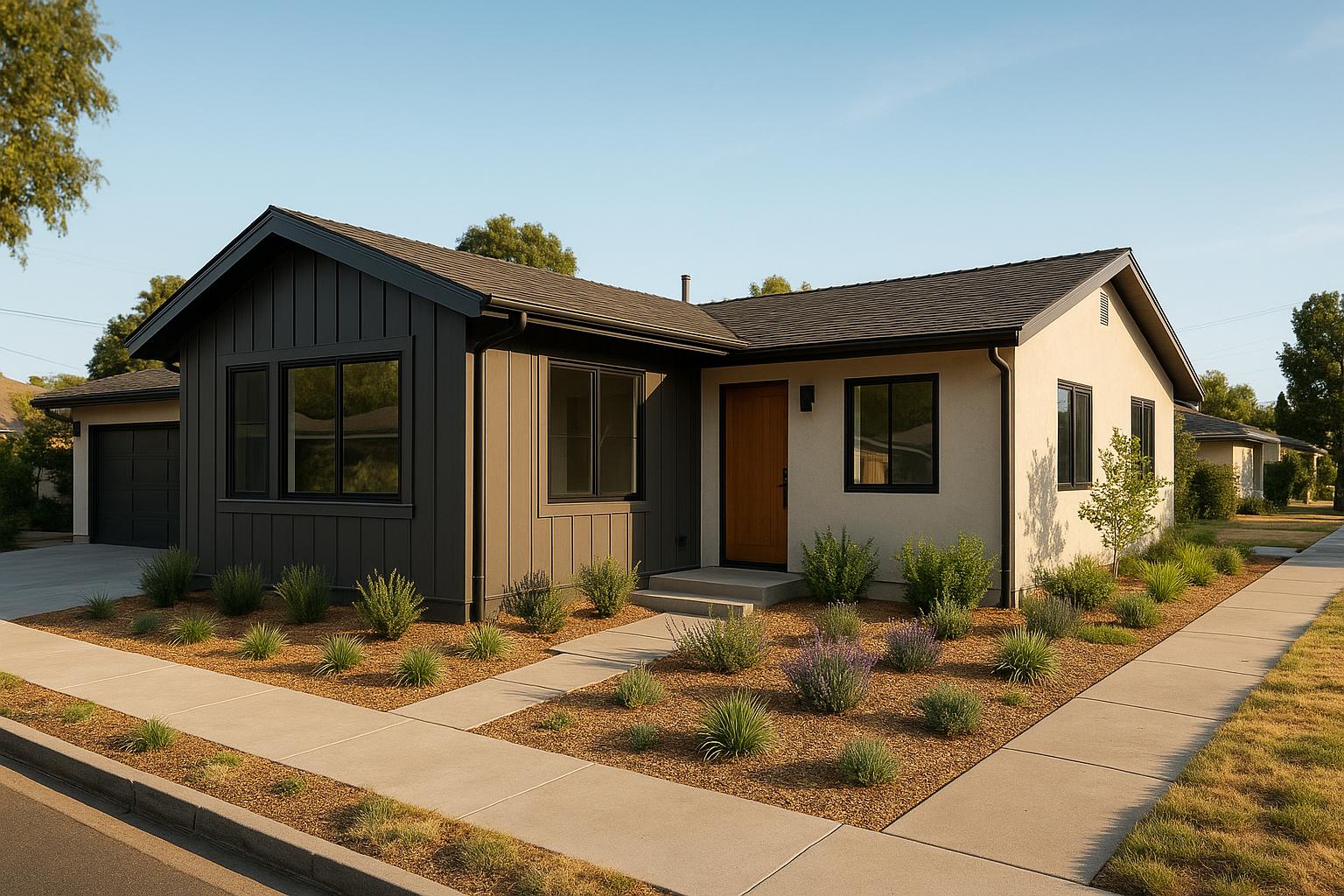
Why Chula Vista Homeowners Are Adding Rooms Instead of Moving
If you've been living in your Chula Vista home for a few years, you've probably noticed something: the housing market isn't exactly making it easy to upgrade. Between rising home prices and limited inventory in neighborhoods like Eastlake, Otay Ranch, and Terra Nova, many families are choosing to expand the home they already love rather than start the stressful process of buying a new one.
A well-planned room addition can give you the extra space you need — whether it's a new bedroom for a growing family, a home office, or an in-law suite — without the headache and expense of relocating. But the key phrase there is well-planned. Without a solid plan, room additions can quickly spiral out of control financially.
Here's how to approach your room addition project the smart way so you get the space you need without blowing your budget.
Step 1: Define Exactly What You Need (Not Just What You Want)
Before you start browsing Pinterest or calling contractors, sit down and honestly assess what problem you're trying to solve. There's a big difference between needing a fourth bedroom because your family is growing and wanting a sunroom because it looks nice.
Both are valid reasons to build, but understanding your primary motivation helps you make smarter decisions when trade-offs inevitably come up during the project. Ask yourself:
- What specific function will this new room serve?
- How many square feet do we actually need?
- Will this addition need plumbing (like a bathroom or kitchenette)?
- Do we plan to stay in this home long enough to enjoy the investment?
Getting clear on these answers early will save you from expensive mid-project changes — which are the number one budget killer in home additions.
Step 2: Understand Chula Vista's Permitting and Zoning Requirements
One of the most overlooked aspects of planning a room addition is understanding what your local municipality will and won't allow. In Chula Vista, room additions require building permits, and your project will need to comply with local zoning regulations regarding setbacks, lot coverage, and height restrictions.
For example, if your home is in a planned community like Otay Ranch, there may be additional HOA guidelines that dictate exterior materials, roofing styles, and even color palettes. Ignoring these rules can result in costly fines, forced modifications, or project shutdowns.
A reputable local remodeling contractor will be familiar with these requirements and can help you navigate the permitting process. This is one of the biggest advantages of working with a company that's rooted in the community rather than a large franchise that may not understand the local landscape.
Step 3: Set a Realistic Budget (and Build in a Cushion)
Room additions in Southern California typically range from $200 to $400+ per square foot, depending on the complexity of the build. A simple bedroom addition will cost significantly less than a room that requires plumbing, electrical upgrades, or foundation work.
Here's a rough breakdown of what influences cost:
- Foundation work: Slab foundations are more affordable than raised foundations
- Roofing: Matching your existing roofline adds complexity and cost
- Plumbing and electrical: Adding a bathroom or heavy electrical loads increases the budget
- Finishes: Flooring, paint, trim, and fixtures can vary wildly in price
- Permits and engineering: Budget $2,000–$5,000+ for plans, permits, and structural engineering
Our advice? Once you've established your budget, add a 15–20% contingency fund. Unexpected issues like outdated wiring, soil conditions, or hidden water damage are common in older Chula Vista homes, and having a financial cushion means these surprises won't derail your project.
Step 4: Choose the Right Contractor (This Is Everything)
The contractor you choose will make or break your room addition experience. Unfortunately, the remodeling industry has its share of unreliable operators who overpromise and underdeliver. Here's what to look for when vetting contractors:
- Local experience: Do they know Chula Vista's building codes and permitting process?
- Transparent pricing: Will they give you a detailed written estimate, or just a vague ballpark number?
- References and reviews: Can they show you completed projects similar to yours?
- Licensing and insurance: Are they properly licensed by the California Contractors State License Board and carrying adequate insurance?
- Communication style: Do they return calls promptly and explain things clearly?
At Timber Wolf Remodeling, we believe in honest pricing and straightforward communication. We've seen too many homeowners get burned by contractors who give a low initial quote only to pile on change orders later. We'd rather give you an accurate estimate upfront — even if it's not the lowest number you hear — so there are no surprises down the road.
Step 5: Think About Long-Term Value, Not Just Immediate Needs
A room addition is one of the most significant investments you can make in your home, so it's worth thinking beyond your immediate needs. Consider how the addition will affect your home's resale value, flow, and curb appeal.
Some tips for maximizing long-term value:
- Match the existing architecture. An addition that looks like it was always part of the house adds more value than one that looks tacked on.
- Don't over-improve for your neighborhood. If most homes on your street are three-bedroom, two-bath homes, adding a massive two-story wing may not give you a strong return on investment.
- Prioritize energy efficiency. New windows, insulation, and modern HVAC connections will keep utility costs down and appeal to future buyers.
- Consider multi-functional spaces. A room that can serve as both a guest bedroom and a home office will be more useful over time than a single-purpose space.
Step 6: Plan for the Disruption
Let's be real — living through a construction project isn't fun. Depending on the scope of your room addition, you may be dealing with noise, dust, limited access to parts of your home, and workers on-site for several weeks or even months.
Planning ahead can minimize the stress:
- Set up a temporary workspace if your home office area will be affected
- Talk to your contractor about the construction schedule and what to expect each week
- If you have young children or pets, create a safe zone away from the work area
- Communicate with your neighbors — they'll appreciate the heads-up
A good contractor will keep the worksite clean, respect your home, and stick to an agreed-upon schedule as closely as possible.
Ready to Start Planning Your Room Addition?
Adding a room to your home is a big decision, but it doesn't have to be an overwhelming one. With careful planning, a realistic budget, and the right contractor by your side, you can create the extra space your family needs while adding lasting value to your home.
If you're a homeowner in Chula Vista, National City, Bonita, or the surrounding areas and you've been thinking about a room addition, we'd love to talk. At Timber Wolf Remodeling, we specialize in helping families expand their homes with quality craftsmanship and zero runaround. Reach out to us for a free consultation, and let's start turning your vision into a plan.